This is a repeating event- Event 11 / 1218 March 2027 5:00 pm1 April 2027 5:00 pm
The Odyssey - Homer
Event Details
“Tell me the tale of a man, Muse, who had so many roundabout ways
To wander, driven off course, after sacking Troy’s hallowed keep;
Many the peoples whose cities he saw and whose ways of thinking he learned,
Many the toils he suffered at sea, anguish in his heart
As he struggled to safeguard his life and the homecoming of his companions.”The opening lines of Daniel Mendelsohn’s translation of Homer’s Odyssey
“This may be the best translation of The Odyssey yet.”
Edith Hall, The Telegraph
Thanks to its enduring appeal, The Odyssey is perhaps Homer’s more famous work. It’s a collection of thrilling adventures, featuring our ‘hero’ pitted against fantastical monsters, seductive sorcerers, and the forces of nature. And The Odyssey is also a meditation on identity, homecoming, and finding one’s place in the world. Full of complex relationships and characters – including a wealth of female figures – the work explores the guest-host relationship and how we encounter and understand difference.
We’re delighted to offer a twelve-week study, covering two books per session, allowing time to look at the text from many angles: its historical context, the debates surrounding its authorship, its literary and psychological subtexts and its enduring influence on modern culture in the English-speaking world and beyond. We will combine a close reading of the text and a wider focus, including poems and art inspired by the epic, consideration of the psychology of war and return, and images of museum exhibits.
Published in 2025, the celebrated author, critic and classicist Daniel Mendelsohn’s acclaimed translation has brought The Odyssey to new life. Readers have praised this line-for-line translation for capturing the epic’s formal qualities – meter, enjambment, alliteration and assonance – to produce a work full of the beauty and music of the original as well as its archaic grandeur.
Whether it’s your first reading or one of many, we hope you can join us to explore the complexity and difficulty of this central character and why the poem remains at the heart of our shared literary culture today.
JOINING DETAILS:
- Twelve two-hour meetings live on Zoom, led by Susanna Taggart and Caroline Hammond.
- Thursdays, 5.00-7.00 pm (UK time), from 14 January to 1 April 2027.
- Optional one-hour session for final reflections on Thursday 8 April.
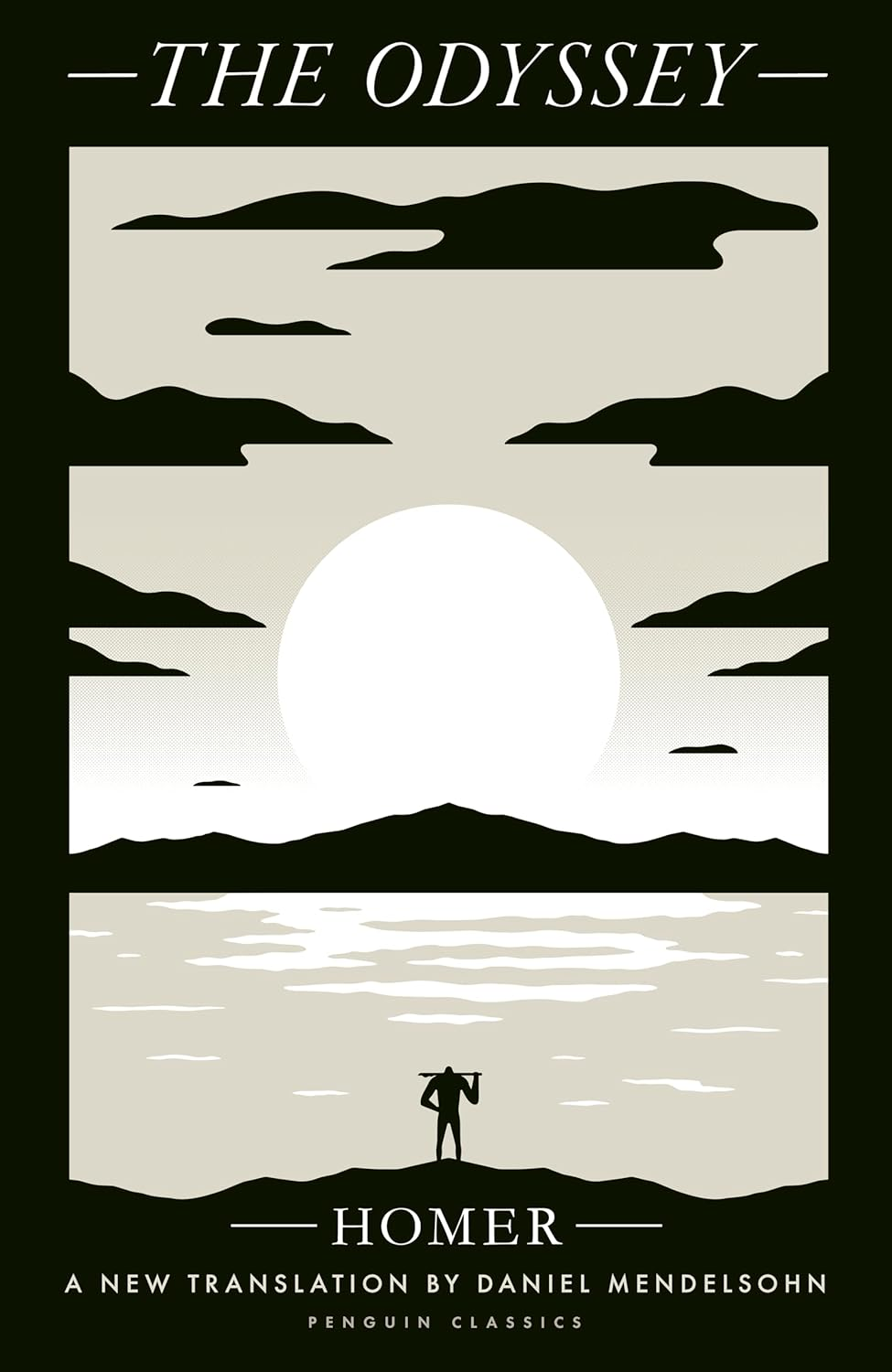
- Recommended edition: The Odyssey: A New Translation by Daniel Mendelsohn, Penguin Classics, ISBN-10: 0241733588, ISBN-13: 978-0241733585.
- £480 for twelve meetings with two facilitators, to include opening notes and resources.