This is a repeating event- Event 1 / 43 December 2026 5:00 pm
THE TROJAN WOMEN - EURIPIDES
Event Details
In The Trojan Women, Euripides considers the aftermath of the fall of Troy. After the hero-centric action of the Iliad and the Odyssey, Euripides shifts focus to the suffering of the victims of war as well as the degradation of the victors. Through exchanges between key female characters – Hecuba, Helen, Cassandra, Athena and the Chorus of local Trojan women – Euripides brings attention to the female experience of war which will be familiar to readers of Pat Barker’s 2018 novel The Silence of the Girls.
Euripides encourages us to examine closely, and not look away from, the pain of war and the human capacity to survive seemingly insurmountable trauma. In this way, he’s created characters that still seem relevant to the modern world. The timeless quality of this great work is reflected in the numerous modern stagings of the play, and its use as a therapeutic tool for current victims of war.
We’ll be meeting for four sessions to enable us to read the majority of the play and have time for discussion and a summary of the experience.
Whether you are a lifelong fan of Greek literature or approaching this great work for the first time, do join us for an engaging and enlightening study.
JOINING DETAILS:
- Four two-hour meetings live on Zoom, led by Caroline Hammond and SusannaTaggart.
- Thursdays, 26 November – 17 December, 5.00-7.00 pm (UK time).
- N.B. We may be able to run an additional Tuesday group, 24 November – 15 December, 5.30-7.30 pm (UK time), please email us with the subject Trojan Women if you are interested in this.
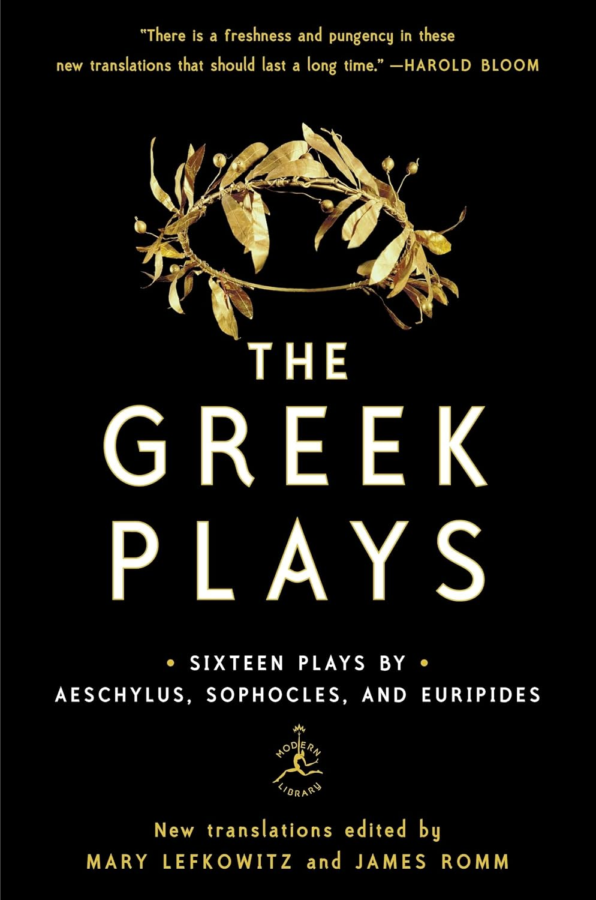
- We’ll use The Trojan Women from The Greek Plays: Sixteen Plays by Aeschylus, Sophocles, and Euripides (Ballantine: Modern Library Classics), ISBN-10: 0812983092, ISBN-13: 978-0812983098.
- £160 for four meeting study with two facilitators, to include notes and resources.